Air Purifier Mini Buying Guide: How to Choose the Right One for Your Home
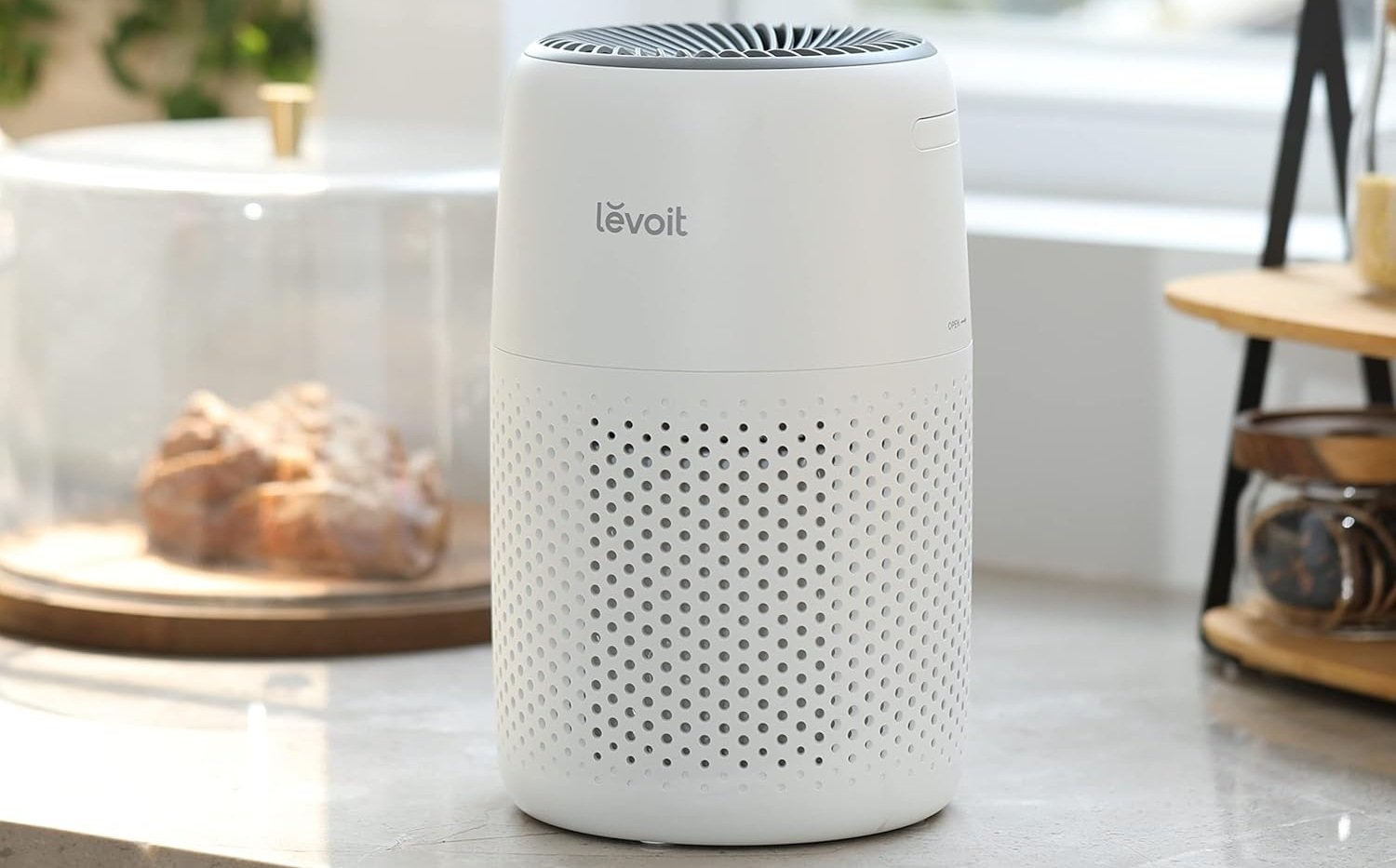
Most people rarely think about indoor air quality, yet the air inside our homes can be more polluted than the air outdoors. Everyday items—cleaning sprays, candles, printers, cooking fumes, and even certain fabrics—release tiny particles that stay suspended in the air. If you deal with allergies, asthma, pet dander, or a constant layer of dust, a reliable air purifier can make a huge difference in how your home feels.
This guide breaks down how air purifiers work, the features worth paying attention to, and how to pick the best model for your space.
Why You Might Need an Air Purifier
A good air purifier removes the small particles that irritate your lungs and sinuses. It can be especially helpful for:
- People with allergies, asthma, or respiratory conditions
- Homes with dogs or cats
- Rooms that develop mold or musty odors
- Anyone sensitive to pollen, smoke, dust, or strong smells
A quality purifier reduces pet dander, pollen, mold spores, and lingering odors—helping your home smell fresher and feel more comfortable.
How Do Air Purifiers Work?
Air purifiers all follow the same basic idea: pull in contaminated indoor air, filter out harmful particles, and release clean air back into the room.
Different models rely on different filtration technologies, such as:
- Mechanical filters (like HEPA)
- Electrostatic or ionic filtration
- Hybrid systems that combine multiple methods
No matter the system, the goal is simple: trap the particles you shouldn’t be breathing in.
Key Features to Look for When Buying an Air Purifier
Not all purifiers are built the same. Before buying one, it helps to understand which features actually impact performance.
1. Filter Types
Air purifiers can include one or several types of filters. Here are the most common:
HEPA Filters
HEPA (High Efficiency Particulate Air) filters are considered the most reliable. They capture extremely small particles like pollen, mold spores, dust mites, and fine debris—removing up to 99.97% of particles as small as 0.3 microns.
Keep in mind:
- HEPA filters need replacement over time.
- Larger HEPA filters often last longer and perform more efficiently.
Activated Carbon Filters
Activated carbon is excellent for removing odors, smoke, kitchen smells, and chemical fumes. These filters work best when paired with a HEPA stage.
Antibacterial & Germicidal Filters
Designed to target bacteria and certain microbes, these filters are great for anyone who prioritizes hygiene or worries about airborne germs.
UV (Ultraviolet) Filters
UV light helps neutralize airborne pathogens. Hospitals often use this technology, but many home air purifiers now include UV as a secondary cleaning method.
Charged Media Filters
These filters use a mild electrostatic charge to trap particles as small as 0.1 microns. Like most filters, they require periodic replacement.
PCO (Photocatalytic Oxidation) Filters
An advanced filtration method using UV light and a catalyst to break down chemical pollutants at a molecular level.
2. Air Change Rate (ACH)
The Air Change Rate per Hour shows how many times a purifier can completely filter the air in your room each hour.
Higher ACH = faster and more effective cleaning—especially important for allergy sufferers.
3. CADR Rating
The Clean Air Delivery Rate (CADR) measures how quickly the purifier removes dust, pollen, and smoke.
A higher CADR generally means better performance and faster results.
4. Room Size Compatibility
Choosing the right size purifier is essential:
- Small rooms → a compact purifier is enough
- Large rooms → look for a purifier with higher airflow and a larger filter
For optimal performance, pick a purifier rated for a space 20–40% larger than your actual room.
If it’s for a bedroom, choose a model with a quiet mode or low dB rating so it won’t disturb your sleep.
5. Warranty & Filter Replacement Costs
Air purifiers usually need new filters every 12–18 months, depending on usage.
Because of this, a good warranty matters—not only for the device but also for any electronic components that may fail over time.
Checking the cost and availability of replacement filters before buying is also a smart move.
Final Thoughts
Choosing the right air purifier doesn’t have to be overwhelming. Once you understand filter types, room-size guidelines, and essential features like CADR and ACH, it’s much easier to select a model that fits your home. With the right purifier, you’ll enjoy cleaner air, fewer allergens, and a noticeably healthier living environment.